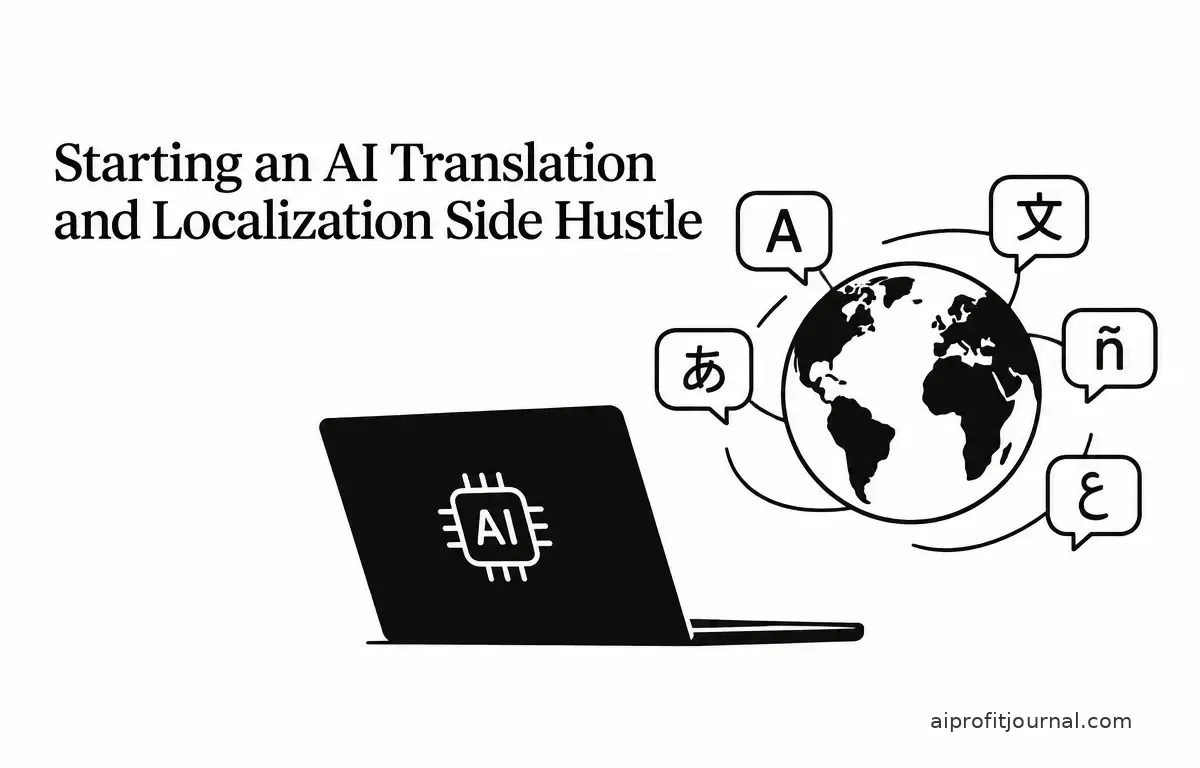
In today’s interconnected world, businesses are increasingly seeking to expand their reach by entering new markets. This expansion often requires translating and localizing content to resonate with diverse audiences. As a bilingual individual, you can leverage this demand by starting an AI translation and localization side hustle that combines the efficiency of artificial intelligence with the nuanced understanding of human expertise.
Understanding the Landscape of AI Translation and Localization
Translation involves converting text from one language to another, while localization adapts content to fit the cultural, functional, and linguistic nuances of a target market. With advancements in AI, machine translation has become more accessible and accurate, managing the bulk of translation tasks. However, AI-generated translations may lack cultural sensitivity, context, and the subtleties required for effective communication. This is where human intervention becomes invaluable. By offering AI-assisted translation and localization services, you can provide high-quality, culturally relevant content that meets the specific needs of your clients.
Steps to Launch Your AI Translation and Localization Side Hustle
1. Assess Your Language Proficiency and Cultural Understanding
Evaluate your fluency in both the source and target languages, as well as your familiarity with the cultures associated with those languages. Ask yourself some practical questions: Are you comfortable with various dialects? Do you understand cultural references that may not translate directly? A deep understanding of cultural nuances, idiomatic expressions, and regional variations is crucial for effective localization. If you lack expertise in certain areas, consider collaborating with specialists or focusing on content types that align with your strengths.
2. Familiarize Yourself with AI Translation Tools
Begin by exploring various AI translation platforms that can assist in generating initial drafts. Tools like DeepL, Google Translate, and specialized AI models can significantly expedite the translation process. While these tools are helpful, it’s essential to critically assess and refine AI-generated content to ensure accuracy and cultural appropriateness. For instance, a fashion brand’s marketing material may require a different tone and vocabulary than a technical manual. Remember, AI serves as an assistant, not a replacement for human expertise.
3. Define Your Niche and Target Market
Specializing in a particular industry or content type can set you apart from competitors. Consider areas like e-commerce product descriptions, legal documents, marketing materials, or even technical manuals. For example, if you choose to specialize in legal translation, you may need to familiarize yourself with legal terminology and practices in both cultures. This targeted approach enables you to build expertise and cater to specific client needs effectively, increasing your value in the marketplace.
4. Build a Portfolio with Sample Projects
Create a portfolio showcasing your translation and localization skills, even if you lack real client projects. Start by translating and localizing sample texts from various industries. Alternatively, consider volunteering your services for non-profit organizations or community projects that align with your language skills. A well-curated portfolio demonstrates your capabilities and can attract potential clients. For instance, if you’re targeting e-commerce, you could create a set of product descriptions for a hypothetical online store.
5. Establish an Online Presence
Develop a professional website that highlights your services, showcases your portfolio, and provides clear contact information. Also, maintain active profiles on freelance platforms such as Upwork, Fiverr, and LinkedIn. This not only enhances your visibility and credibility in the market but also allows you to connect with a broader audience. Consider writing articles or blog posts related to translation and localization to further establish yourself as an expert in the field.
6. Set Competitive Pricing and Service Packages
Research industry standards to determine competitive pricing for your services. Analyze what your competitors are charging and consider your level of skill and expertise. Think about offering tiered packages based on project complexity, word count, and turnaround time. For example, you could offer a basic package for straightforward text, a standard package that includes some localization adjustments, and a premium package that provides extensive localization and cultural adaptation. Transparent pricing builds trust with clients and helps manage expectations from the outset.
7. Network and Seek Clients
Reach out to potential clients through networking events, online forums, and social media groups related to translation and localization. Attend conferences, workshops, or webinars to expand your network. Collaborate with agencies, marketing firms, and businesses expanding into new markets. Building relationships and a strong client base is key to sustaining and growing your side hustle. Consider utilizing platforms like LinkedIn to connect with decision-makers in companies that may require your services.
Practical Example: Translating E-Commerce Product Descriptions
Imagine a client seeking to expand their online store into the German market. They provide you with a list of product descriptions in English. Here’s how you can approach the project:
- Initial Translation: Use an AI translation tool to generate the first draft of the product descriptions. For instance, translate a t-shirt description from English to German.
- Human Review and Localization: Review the AI-generated translations, correcting any inaccuracies and adjusting the content to suit German cultural preferences. This may involve changing dimensions from inches to centimeters and revising terminology that resonates more with German customers.
- Quality Assurance: Conduct a final check to ensure consistency, accuracy, and cultural relevance across all product descriptions to make certain that the descriptions are appealing and contextually appropriate.
- Delivery: Provide the client with the polished, localized product descriptions, ready for integration into their German e-commerce platform.
This workflow illustrates the harmony between AI efficiency and human expertise in delivering high-quality localized content. By systematically refining the process, you enhance both the quality of the translations and the client’s satisfaction.
Limitations and Considerations
While AI translation tools are powerful, they do have limitations. They may struggle with context, idiomatic expressions, and cultural nuances, leading to potentially misleading or overly literal translations. Overreliance on AI without adequate human oversight can result in errors and misinterpretations that could damage a client’s brand. Ensure compliance with data privacy regulations when handling sensitive client information. Maintaining confidentiality and adhering to ethical standards is paramount in building trust and credibility. Always have procedures in place for securely managing client data.
Conclusion
Starting an AI translation and localization side hustle offers a promising avenue to monetize your bilingual skills in the digital age. By combining AI tools with human expertise, you can provide valuable services that meet the evolving needs of businesses seeking to connect with global audiences. With careful planning, continuous learning, and a commitment to quality, your side hustle can evolve into a sustainable and rewarding venture.
Frequently Asked Questions (FAQs)
1. Do I need professional certification to start an AI translation side hustle?
While certification can enhance credibility, it isn’t mandatory. Demonstrating proficiency through a robust portfolio and client testimonials can prove equally effective in securing clients.
2. How do I handle large-scale projects efficiently?
Utilize project management tools to organize tasks, set deadlines, and collaborate with other professionals if necessary. Leveraging AI tools can also expedite the process, but ensure that quality control remains a priority throughout.
3. What are the typical rates for AI-assisted translation services?
Rates vary based on language pairs, project complexity, and turnaround time. Research industry standards and consider your expertise and the unique offerings you provide when setting prices.
4. How can I ensure the quality of AI-generated translations?
Implement a thorough review process that includes multiple quality checks and revisions. Stay updated with advancements in AI and continuously refine your skills to enhance the quality of your services.
5. Is it necessary to specialize in a particular industry for this side hustle?
Specialization can help differentiate your services and attract clients seeking expertise in specific areas, but it’s not mandatory; general translation services continue to be in demand.