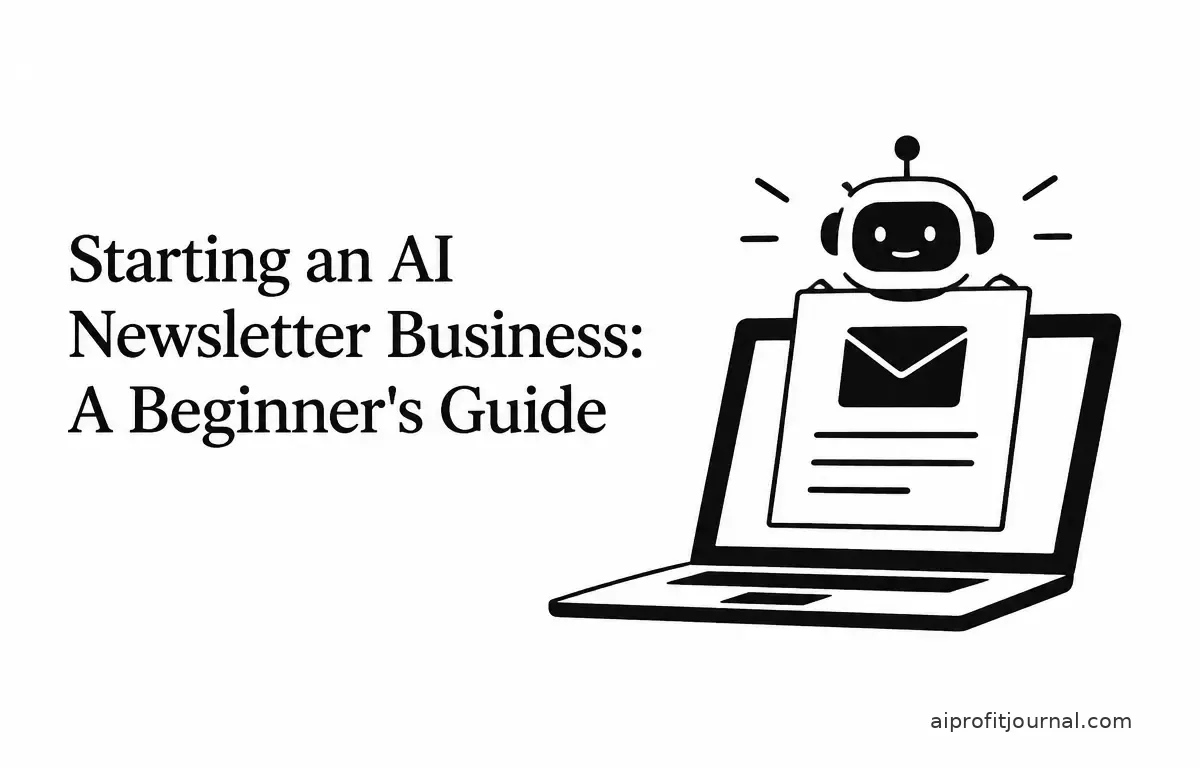
In the rapidly evolving digital landscape, AI-focused newsletters have emerged as a lucrative avenue for entrepreneurs seeking to capitalize on the growing interest in artificial intelligence. This guide provides a comprehensive roadmap for launching and monetizing an AI newsletter business, tailored for beginners.
Understanding the AI Newsletter Landscape
The proliferation of AI technologies has led to an increased demand for curated, insightful content that demystifies complex topics and highlights practical applications. AI newsletters serve as a bridge between intricate AI developments and their real-world implications, catering to professionals, enthusiasts, and businesses eager to stay informed.
As the landscape becomes more competitive, it’s vital to understand specific trends influencing the industry. For instance, newsletters focusing on specific applications of AI—such as robotic process automation in businesses or AI ethics—are becoming increasingly popular. This specificity not only helps build a loyal following but also positions your newsletter as a go-to source for detailed and niche content. Additionally, emerging topics such as AI in creative fields, like art and music, can attract diverse readers who may not be traditional AI enthusiasts but are curious about its implications in those areas.
Identifying Your Niche
Success in the newsletter domain hinges on identifying a specific niche that resonates with a targeted audience. A focused approach not only differentiates your content but also attracts a dedicated readership. Consider the following steps:
- Assess Market Demand: Research existing AI newsletters to identify gaps in content or underserved topics. While general AI news is abundant, specialized areas like AI applications in healthcare or AI ethics may have less coverage. You can use tools like Google Trends and social media to analyze what topics are garnering attention. Additionally, explore forums and communities to gauge the existing discourse and identify recurring questions that lack adequate answers.
- Define Your Audience: Determine who will benefit most from your content. Are you targeting AI professionals, business leaders, educators, or a general audience? By creating audience personas—detailed descriptions of your ideal readers—you can tailor your content to meet their specific interests and needs. For instance, if you focus on educators, your content could include AI tools that enhance learning and teaching methods.
- Evaluate Your Expertise: Align your chosen niche with your knowledge and interests to ensure sustained content creation and authenticity. If you have a background in data science or have worked in an AI startup, focus on areas where you can provide firsthand insights and value. This ensures not only credibility but also a deeper understanding of your subject matter, which can engage your audience more effectively.
Building Your Newsletter Infrastructure
Establishing a robust infrastructure is crucial for the seamless operation of your newsletter. Key considerations include:
- Platform Selection: Choose a user-friendly platform that aligns with your technical proficiency and offers scalability. Options like Substack, Beehiiv, or Kit are popular among newsletter creators. Each platform has its features; for instance, Substack offers easy subscription setups while Beehiiv allows for advanced audience segmentation. Evaluate their pricing models, analytics features, and ease of use to find the best fit for your goals.
- Design and Branding: Develop a cohesive visual identity that reflects your niche and appeals to your target audience. Use tools like Canva for designing your newsletter header and graphics. Consistency in design enhances brand recognition and trust, making your newsletter visually appealing and professional. Consider developing a color palette and logo that symbolizes your brand essence to create a strong first impression.
- Content Strategy: Plan a content calendar that balances timely AI news, in-depth analyses, and original insights. Consider segmenting your newsletter into sections, such as “Weekly News Roundup,” “Featured Insights,” or “Expert Interviews,” to create a familiar structure for readers. Consistency in publishing fosters reader loyalty. Creating an editorial checklist can also ensure that each issue maintains high-quality content and adheres to your branding standards.
Leveraging AI for Content Creation
Integrating AI tools can streamline content creation, allowing you to focus on strategic aspects. Utilize AI for:
- Research: Employ AI-powered research assistants, like Elicit or Google Scholar, to gather and summarize relevant information efficiently. These tools can save time by providing concise research summaries tailored to your topics. Consider using APIs to automate data retrieval for trending AI topics, enhancing your content’s relevance.
- Drafting: Use AI writing assistants like Jasper or ChatGPT to generate initial drafts, which can then be refined to maintain your unique voice. It’s essential to personalize these drafts to reflect your tone and target audience; AI should complement, not replace, your writing. Establish a framework to guide the AI in generating content that aligns with your newsletter’s style and expected depth.
- Personalization: Implement AI algorithms to tailor content recommendations based on subscriber preferences using platforms’ built-in features or third-party tools. This can lead to increased engagement, as readers feel more connected to content that meets their interests. A/B testing different content formats can help you determine which styles resonate more with your audience.
Growing Your Subscriber Base
Attracting and retaining subscribers is fundamental to your newsletter’s success. Effective strategies include:
- Referral Programs: Encourage existing subscribers to refer others by offering incentives or exclusive content. For example, you might offer a free month of premium content for every three new subscribers they bring in. Additionally, creating shareable content that followers can distribute can amplify your reach.
- Cross-Promotion: Collaborate with other content creators or platforms to reach a broader audience. Co-hosting webinars or podcasts can introduce your newsletter to new potential subscribers who share similar interests. Identify creators with complementary audiences to maximize cross-promotional benefits.
- Social Media Engagement: Utilize platforms like Twitter, LinkedIn, and Reddit to share snippets and drive traffic to your newsletter. Engaging with followers through polls or discussion threads can also foster community and boost visibility. Regularly participating in relevant discussions helps to establish your credibility as an authority in the AI space.
Monetization Strategies
Once your subscriber base is established, consider the following monetization avenues:
- Sponsorships: Partner with companies whose products or services align with your audience’s interests. Transparent sponsorships can generate significant revenue, as long as they are relevant and provide genuine value to your users. For example, if your newsletter focuses on AI-driven analytics, consider collaborating with software companies in that space. Create sponsorship tiers based on expected readership and engagement levels for better alignment with potential sponsors.
- Affiliate Marketing: Recommend AI tools or resources and earn a commission on sales generated through your referral links. Ensure that recommendations are genuine and beneficial to your readers. For instance, if you write a piece about AI programming frameworks, include affiliate links to those products with a personal recommendation based on your expertise. Transparency about your affiliations builds trust with your audience.
- Paid Subscriptions: Offer premium content or early access to subscribers willing to pay for exclusive insights. This model works well when you have a loyal and engaged audience. Consider crafting special reports or in-depth case studies that are only accessible to paying members. Highlight the unique benefits of premium content to encourage sign-ups, such as exclusive interviews or deeper analysis of emerging AI trends.
Ensuring Data Privacy and Compliance
Handling subscriber data responsibly is paramount. Adhere to data protection regulations such as GDPR and implement best practices to maintain trust:
- Data Encryption: Use secure methods to store and transmit subscriber information. This adds a layer of protection against data breaches, which can damage your reputation and alienate your audience. Regularly update your security protocols to address evolving threats.
- Transparency: Clearly communicate how subscriber data will be used and obtain explicit consent. Provide a detailed privacy policy on your website that outlines your practices concerning personal data. Consider conducting regular audits of your data management practices to ensure ongoing compliance and address potential vulnerabilities.
- Opt-Out Options: Provide easy mechanisms for subscribers to manage their preferences or unsubscribe. This not only helps comply with regulations but also shows respect for your readers’ choices. Enhancing the user experience by allowing granular control over communication preferences can improve retention.
Measuring Success and Iterating
Regularly assess your newsletter’s performance using metrics such as open rates, click-through rates, and subscriber growth. Utilize tools like Mailchimp or a similar service to track these metrics easily. Analyze which types of content yield the highest engagement and tailor future content accordingly. Solicit direct feedback through surveys or informal polls to understand reader preferences and continuously refine your strategies. Also, consider setting short- and long-term goals to structure your growth plan effectively, allowing for adjustments based on performance data.
Conclusion
Embarking on an AI newsletter business offers a promising opportunity to engage with a growing audience eager for curated AI content. By selecting a specific niche, leveraging AI tools for content creation, and implementing effective growth and monetization strategies, you can establish a sustainable and impactful newsletter that resonates with readers and generates revenue. The key lies in staying adaptable, being open to feedback, and continually investing in your knowledge of both AI and newsletter publishing. Ultimately, your commitment to providing value and maintaining authenticity will be critical in distinguishing your newsletter in a crowded marketplace.
Related Articles
- How to Make Money Selling AI-Generated Stock Photos
- How to Start an AI-Powered Print-on-Demand Business
- Building a Micro SaaS Business with AI: A Solo Entrepreneur’s Guide
- Evaluating AI Customer Support Chatbots for Small Businesses: A Comprehensive Guide
Frequently Asked Questions
1. How do I choose the right niche for my AI newsletter?
Focus on areas within AI that align with your expertise and interest, and where there is a clear demand for information. Research existing newsletters to identify underserved topics.
2. What are the best platforms to host my AI newsletter?
Platforms like Substack, Beehiiv, and Kit are popular choices, each offering unique features. Evaluate them based on your technical skills and monetization goals.
3. How can I effectively grow my subscriber base?
Implement referral programs, engage in cross-promotion, and actively participate in relevant social media communities to attract subscribers.