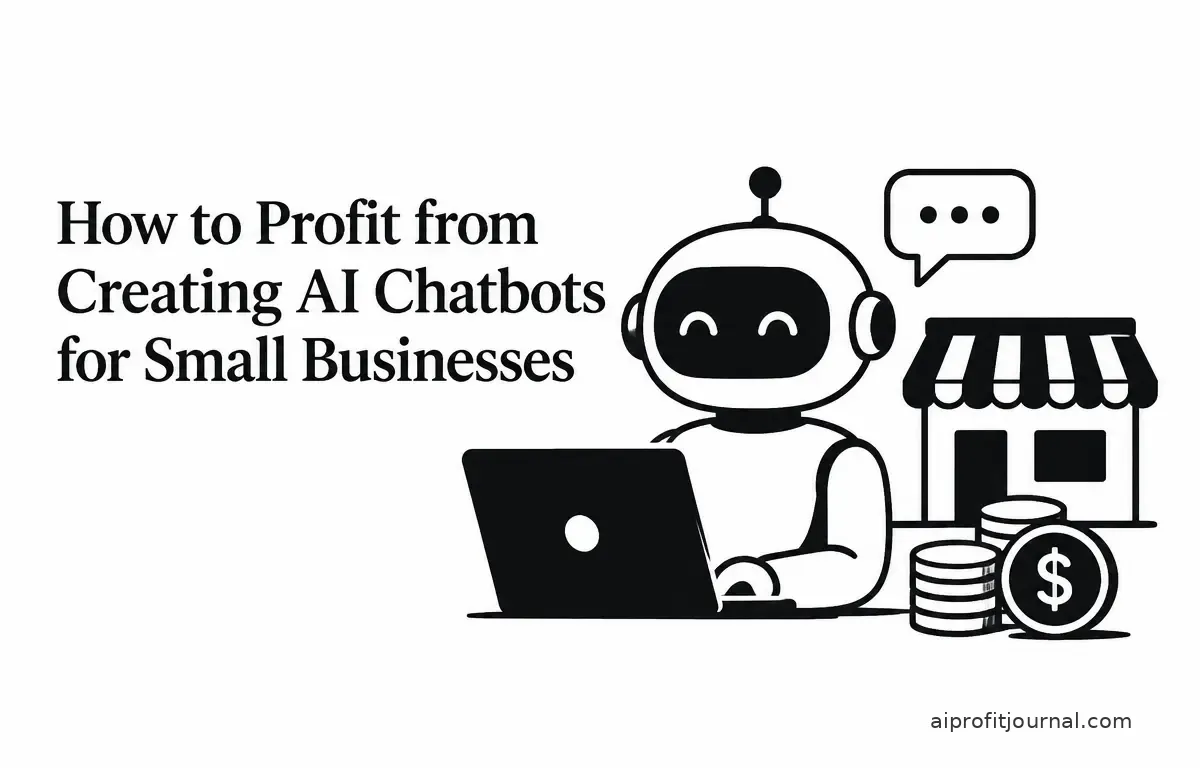
As small businesses increasingly adopt artificial intelligence (AI) to enhance customer engagement and streamline operations, the demand for AI chatbots has surged. These intelligent assistants can handle tasks ranging from answering frequently asked questions to processing bookings and sales inquiries. For entrepreneurs with a knack for technology and a passion for problem-solving, creating AI chatbots for small businesses presents a lucrative opportunity.
Understanding the Market Demand
The AI chatbot market is projected to reach over $15 billion by 2027, with small and medium-sized businesses (SMBs) accounting for a significant portion of this growth. Many SMBs recognize the potential of AI chatbots to improve customer service, increase sales, and reduce operational costs, but they often lack the technical expertise to develop them in-house. This gap presents a prime opportunity for developers and entrepreneurs to offer tailored chatbot solutions.
Additionally, the increasing reliance on instant communication channels—especially in sectors like retail, healthcare, and hospitality—fuels the demand for efficient customer interaction. A 24/7 available chatbot can significantly enhance customer satisfaction by providing immediate responses to queries, ultimately leading to improved sales and a better reputation.
Getting Started: Essential Steps
1. Acquire Necessary Skills and Tools
While traditional coding skills can be beneficial, various no-code platforms enable the creation of AI chatbots without extensive programming knowledge. Tools like Chatbase, Voiceflow, and Botpress allow users to build functional chatbots through intuitive interfaces. Familiarizing yourself with these platforms is a crucial first step.
Moreover, foundational skills in understanding natural language processing (NLP) and basic user experience (UX) design principles will enrich your capabilities. Practical tutorials and online courses can bridge the knowledge gap quickly. To deepen your skills, you might explore:
- Online courses in AI fundamentals and chatbot design on platforms like Coursera or Udemy.
- Forums and online communities, such as those on Reddit or Stack Overflow, where you can ask questions and share experiences.
- Books focusing on AI and bot development to gain theoretical insights.
2. Identify a Profitable Niche
Focusing on a specific industry can streamline your development process and make your services more appealing to potential clients. Consider sectors such as healthcare, real estate, retail, or hospitality, where customer interactions are frequent and varied. For instance, a dental clinic may require a chatbot to handle appointment bookings and answer common patient inquiries.
To find a niche, research common pain points within industries. For example, real estate agents may benefit from chatbots that assist with property inquiries and scheduling viewings, while fitness centers might need chatbots to manage class bookings and membership questions. Conduct surveys or interviews with business owners to validate the need for chatbot solutions in their operations.
3. Develop a Portfolio
Creating a portfolio of sample chatbots can showcase your capabilities to prospective clients. Developing demo bots for common scenarios within your chosen niche demonstrates your understanding of industry-specific needs and your ability to deliver effective solutions. For instance, a fabricated housing company could have a chatbot that effectively gathers customer information and offers personalized property suggestions.
As you build your portfolio, consider using diverse formats—think static website demos, video walkthroughs, or interactive showcases—to cater to different preferences across your audience. You might also include case studies that highlight specific challenges faced by clients and how your chatbot solutions addressed these effectively.
4. Establish a Pricing Structure
Pricing for chatbot development can vary significantly based on complexity and functionality. Establish a clear pricing model that reflects the value offered. For example, a basic chatbot setup might range from $500 to $1,500. In contrast, more advanced bots equipped with integrated features like payment processing, CRM integration, or multilingual support could demand higher fees.
Consider offering maintenance packages to provide ongoing revenue and ensure the chatbot remains effective over time. A structured model may include:
- Setup Fee: A one-time charge for developing and deploying the chatbot.
- Monthly Maintenance Fee: An ongoing fee for updates, monitoring, and support.
- Customization Add-ons: Additional features that clients might want for a premium.
By clearly communicating the scope of work and the associated costs, you can manage client expectations and establish a transparent working relationship. Additionally, consider market research to fine-tune your pricing strategy based on competitors’ offerings.
Practical Example: Building a Chatbot for a Local Restaurant
Imagine a local restaurant seeking to enhance customer engagement. You can develop a chatbot that:
- Handles Reservations: Allows customers to book tables directly through the chatbot, integrating with popular reservation systems.
- Provides Menu Information: Shares the latest menu items and specials, potentially integrating with a content management system to keep information updated.
- Answers FAQs: Responds to common questions about operating hours, location, and dietary options.
This approach not only improves customer satisfaction but also streamlines operations, making it a valuable asset for the restaurant. After deploying the chatbot, consider tracking key performance indicators (KPIs) such as increased bookings or reduced call volume, enabling you to demonstrate the chatbot’s impact to the restaurant owner.
Potential Earnings and Business Model
Earnings can vary based on the complexity of the chatbot and the client’s requirements. A typical pricing model includes:
- Setup Fee: A one-time charge for developing and deploying the chatbot.
- Monthly Maintenance Fee: An ongoing fee for updates, monitoring, and support.
For example, a basic chatbot setup might cost $800, with a monthly maintenance fee of $100. Over time, as you build a client base, this can lead to a steady stream of income. Imagine attracting 10 clients at this rate, which could generate $1,800 in the first month alone, with monthly recurring revenue to follow. By scaling your efforts and possibly automating parts of the service, like onboarding new clients, you could significantly increase your profitability.
Key Considerations and Challenges
1. Data Privacy and Security
Handling customer data responsibly is paramount. Ensure compliance with data protection regulations such as GDPR or CCPA, and implement robust security measures to protect sensitive information. Regular audits and updates to enhance security protocols can mitigate potential risks associated with data breaches. Educating clients about best practices for data management is also advisable.
2. Continuous Learning and Adaptation
The AI landscape is rapidly evolving. Staying updated with the latest developments in AI, machine learning, and natural language processing will keep your services competitive. Attend workshops, webinars, and conferences, and follow industry leaders through social media or newsletters to consistently enhance your skills. Joining professional networks can also offer insights into emerging trends and technologies.
3. Managing Client Expectations
Clearly communicate the capabilities and limitations of the chatbot. Setting realistic expectations helps in building trust and ensures client satisfaction. Consider providing detailed reports on the chatbot’s performance, response rates, and user engagement statistics to foster a deeper understanding of its value. Offering training sessions for client staff on how to leverage the chatbot effectively can further improve satisfaction and usage rates.
Conclusion
Creating AI chatbots for small businesses offers a promising avenue for entrepreneurs to generate income while providing valuable solutions to clients. By acquiring the necessary skills, identifying a profitable niche, and addressing key considerations, you can establish a successful venture in this growing field. The potential for customization and innovation in chatbot design means that your offerings can evolve as technology progresses, keeping your business relevant and profitable.
Frequently Asked Questions (FAQs)
1. Do I need coding skills to build AI chatbots?
No, many no-code platforms allow you to build AI chatbots without coding knowledge. (kzk.kr)
2. How much can I charge for developing an AI chatbot?
Pricing varies based on complexity, but basic setups can range from $500 to $1,500, with maintenance fees adding to the revenue. (kzk.kr)
3. What industries are most in need of AI chatbots?
Industries like healthcare, real estate, retail, and hospitality often require AI chatbots to handle customer interactions efficiently. (kzk.kr)
4. How do I find clients for my AI chatbot services?
Start by targeting local businesses within your chosen niche, offering tailored solutions to their specific needs. (kzk.kr)
5. What are the ongoing responsibilities after deploying a chatbot?
After deployment, ongoing responsibilities can include monitoring performance, updating features, and providing customer support to ensure a seamless experience for users.