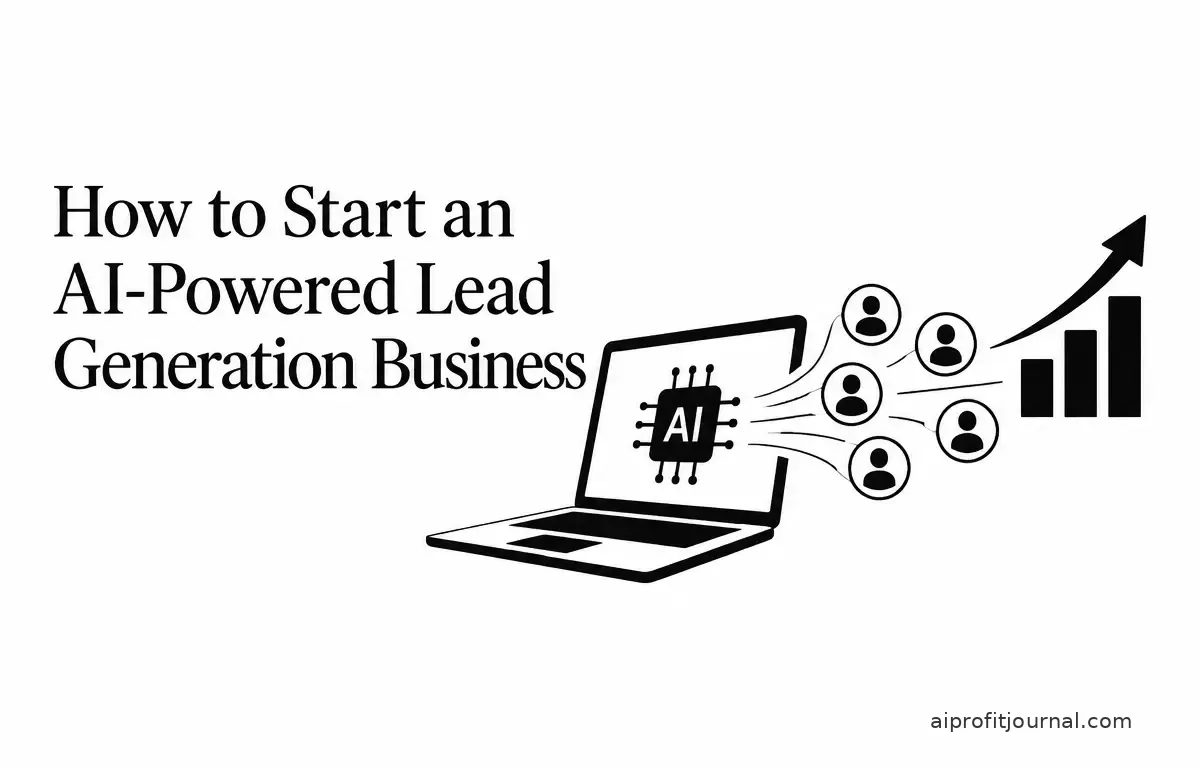
In today’s digital landscape, businesses are increasingly turning to artificial intelligence (AI) to streamline their lead generation processes. Establishing an AI-powered lead generation business can be a lucrative venture, offering scalable solutions to clients seeking efficient ways to attract and convert prospects. This guide provides a comprehensive roadmap to help you launch and grow your AI-driven lead generation business.
Understanding AI-Powered Lead Generation
AI-powered lead generation involves utilizing machine learning algorithms, predictive analytics, and automation tools to identify, qualify, and engage potential customers. By analyzing vast datasets, AI can uncover patterns and insights that human teams might overlook, enabling more precise targeting and personalized outreach strategies. This approach not only enhances efficiency but also improves conversion rates by delivering tailored content to the right audience at the optimal time.
For example, consider a SaaS company aiming to attract new users. Traditionally, they might send generic email campaigns, hoping to catch the attention of a few prospects. With AI, they can analyze data from previous campaigns, customer behaviors, and engagement metrics to send personalized offers to specific segments like small businesses in need of team collaboration tools. This targeted approach significantly increases the likelihood of conversion.
Step 1: Define Your Niche and Ideal Customer Profile (ICP)
To stand out in the competitive lead generation market, it’s crucial to specialize. Selecting a specific industry or market segment allows you to tailor your services and messaging effectively. Here’s how to approach this:
- Research Potential Niches: Analyze various industries to identify sectors with high demand for lead generation services. For instance, sectors like SaaS, real estate, healthcare, or finance often require robust lead generation strategies. Look for pain points unique to each industry, like the need for qualified leads in highly competitive real estate markets.
- Develop Your ICP: Define the characteristics of your ideal clients, including company size, revenue, geographic location, and specific challenges they face. Use surveys or interviews with existing customers to gather insights. This clarity will guide your marketing efforts and service offerings. For example, targeting small businesses in urban areas can lead to different strategies than focusing on large enterprises in rural locations.
By focusing on a well-defined niche, you can position your business as an expert in that area, making it more attractive to potential clients seeking specialized solutions.
Step 2: Build a Robust AI Lead Generation System
Implementing an effective AI-driven lead generation system involves integrating various technologies and processes to create a seamless workflow:
- Data Collection and Enrichment: Utilize AI tools to gather and enrich prospect data from multiple sources, ensuring accuracy and comprehensiveness. Platforms like Clay and Clearbit can assist in this process by providing detailed company and contact information. Consider employing web scraping tools to gather data from public sources and social media profiles.
- Lead Scoring and Qualification: Develop machine learning models to score and prioritize leads based on their likelihood to convert. For instance, by analyzing historical data, you can identify which characteristics—like industry or company size—are more likely to lead to successful conversions. Establish criteria to categorize leads as cold, warm, or hot to optimize follow-up procedures.
- Automated Outreach: Implement AI-powered communication tools to automate personalized outreach across various channels, such as email, social media, and chatbots. This ensures timely and relevant engagement with prospects. A well-designed email campaign could start with a nurturing sequence for warm leads, gradually leading to stronger calls-to-action as engagement increases.
- CRM Integration: Integrate your AI system with Customer Relationship Management (CRM) platforms to track interactions, manage leads, and analyze performance metrics effectively. Mapping out integrations and workflows ensures that all team members can access real-time data, facilitating collaboration and informed decision-making.
This comprehensive setup fosters a predictive lead generation approach, helping you engage with prospects proactively rather than reactively.
Step 3: Develop a Scalable Business Model
Choosing the right business model is essential for scalability and profitability. Here are common models in the lead generation industry:
- Broker Model: Act as an intermediary by purchasing leads from sources and selling them to clients at a markup. This model requires minimal upfront investment but usually offers lower profit margins. Carefully assess the lead quality before purchasing to ensure a favorable return.
- Partnership Model: Collaborate with clients to generate leads, sharing both responsibilities and profits. This approach fosters deeper client relationships; you work together to tailor strategies, which can lead to more sustainable revenue streams. For instance, you might cooperate with a marketing firm to create joint campaigns.
- Full-Stack Model: Manage the entire lead generation process, from data collection to client delivery. Although this model offers higher profit margins, it demands significant resources and expertise. Ensure that you have a capable team in place to handle the complexities of end-to-end management.
Assess your resources, expertise, and risk tolerance to determine the most suitable model for your business. Each model has its advantages and challenges, so choose one that aligns with your capabilities and business objectives.
Step 4: Implement Effective Marketing and Sales Strategies
Attracting clients requires a strategic marketing approach. Consider the following tactics:
- Content Marketing: Create informative content that showcases your expertise in AI-powered lead generation. This can include blog posts, case studies, webinars, and whitepapers. For example, producing a case study about a client who achieved significant results through your services can provide social proof and attract newcomers.
- Networking: Attend industry events, webinars, and workshops to connect with potential clients and partners. Building a strong professional network can lead to valuable referrals and collaborations. Utilize platforms like LinkedIn to expand your connections beyond local events.
- Referral Programs: Encourage satisfied clients to refer others by offering incentives or discounts. Implement a structured referral program with clear rewards for both the referrer and the new client. Word-of-mouth referrals can be a powerful tool for business growth, enhancing credibility and trust.
By implementing these strategies, you can effectively promote your services and attract a steady stream of clients.
Step 5: Monitor Performance and Optimize Continuously
Regularly evaluating your lead generation efforts is crucial for sustained success. Here’s how to ensure continuous improvement:
- Analytics: Use analytics tools to monitor key performance indicators (KPIs) such as lead conversion rates, cost per lead, and return on investment (ROI). Set up dashboards to visualize data trends and identify areas that need attention.
- Client Feedback: Solicit feedback from clients to understand their satisfaction levels and identify areas for improvement. Regular check-ins can ensure that you’re aligned with their expectations and evolving needs.
- Continuous Improvement: Stay updated with the latest AI advancements and industry trends to refine your strategies. Join forums or subscribe to industry publications to keep pace with new developments. Experiment with A/B testing of various marketing strategies to find what resonates most with your target audience.
Continuous optimization ensures that your lead generation system remains effective and aligns with client expectations, reinforcing your reputation as a leader in your niche.
Conclusion
Starting an AI-powered lead generation business offers significant opportunities in today’s data-driven market. By defining your niche, building a robust AI system, selecting an appropriate business model, implementing effective marketing strategies, and continuously optimizing your processes, you can establish a successful and scalable business. Embrace the potential of AI to transform lead generation and deliver exceptional value to your clients.
Frequently Asked Questions (FAQs)
1. What industries benefit most from AI-powered lead generation?
Industries such as SaaS, real estate, healthcare, and finance often require robust lead generation strategies and can greatly benefit from AI-powered solutions. (saleshandy.com)
2. How do I define my Ideal Customer Profile (ICP)?
Analyze your existing customer base to identify common characteristics such as company size, revenue, geographic location, and specific challenges they face. This analysis will help you create a detailed ICP. (saleshandy.com)
3. What are the key components of an AI lead generation system?
An effective AI lead generation system includes data collection and enrichment, lead scoring and qualification, automated outreach, and CRM integration.