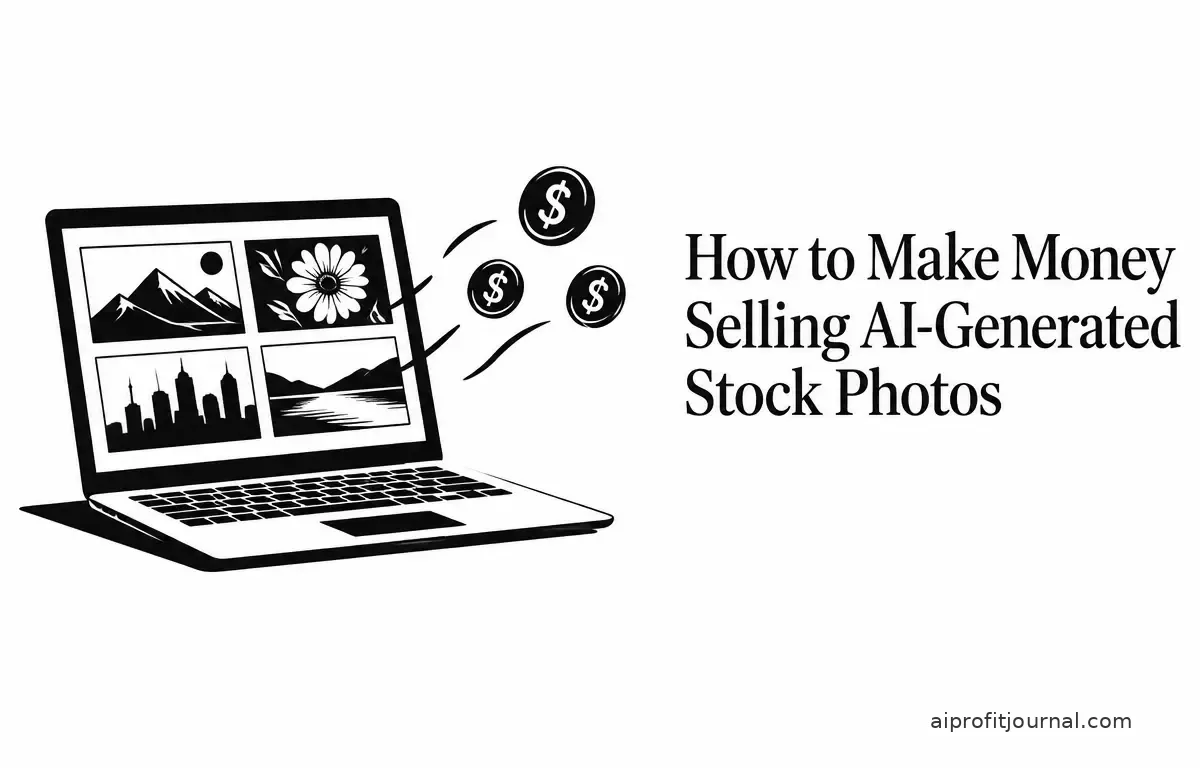
The rise of artificial intelligence (AI) has revolutionized various industries, including stock photography. AI-generated images offer a cost-effective and efficient alternative to traditional photography, enabling creators to produce high-quality visuals without the need for expensive equipment or models. In this article, we’ll explore how to make money by selling AI-generated stock photos, covering essential aspects such as niche selection, platform guidelines, income expectations, and best practices for success in this dynamic field.
Understanding the Market for AI-Generated Stock Photos
The demand for stock images is substantial, with businesses, marketers, and content creators continually seeking visuals for various purposes, from blog posts to promotional materials. AI-generated images have gained popularity due to their affordability and unique content creation capabilities. However, the market has become increasingly competitive, with numerous creators entering the landscape. To succeed, you must understand market demand, adhere to platform guidelines, and consistently produce high-quality images that meet consumers’ needs.
Current Trends in Stock Photography
To better understand the market, keep an eye on current trends. For instance, during the COVID-19 pandemic, visuals depicting remote work environments saw a spike in popularity. Tools like Google Trends can provide insights into what types of images are gaining traction. Tracking popular social media hashtags related to stock images can also inform you about emerging trends. This research can guide your image creation to align with market needs.
Additionally, consider the use of trending styles in graphic design. Vintage and retro aesthetics frequently attract attention, as do minimalist designs. For example, incorporating bright colors and bold typography can appeal to the youth market, while muted tones and sophisticated setups may draw in corporate clients.
Choosing the Right Niche
Selecting a profitable niche is vital for standing out in the crowded stock photo market. Focus on areas with consistent demand and less saturation. Some lucrative niches include:
- Business and Technology: Images depicting modern workplaces, remote work setups, and technological innovations.
- Healthcare and Wellness: Visuals showcasing healthy lifestyles, fitness routines, and medical advancements.
- Lifestyle and Diversity: Authentic representations of diverse individuals in everyday scenarios, reflecting inclusivity.
- Seasonal and Holiday Themes: Images tailored for specific holidays and events, which can lead to spikes in interest each season.
To select your niche, conduct thorough research to identify trending topics and gaps in existing stock photo libraries. Utilize tools like Google Trends and analyze popular platforms such as Adobe Stock and Shutterstock to see which categories perform well and are less saturated. Joining online communities or forums can also provide insights into emerging topics and buyer preferences.
Creating High-Quality AI-Generated Images
Producing high-quality images is essential for attracting buyers and driving sales. Here are detailed steps to create compelling AI-generated stock photos:
- Choose a Reliable AI Image Generator: Select a tool that aligns with your creative vision and offers commercial usage rights, such as DALL-E, Midjourney, or Stable Diffusion.
- Develop Precise Prompts: Craft detailed prompts that clearly communicate your vision. For example, instead of “a cat,” specify “a fluffy ginger cat lounging in a sunlit room with plants.” This helps the AI understand your requirements more effectively.
- Generate Multiple Variations: Create several versions of each concept to ensure diversity and quality. Experiment with different prompts and styles, as this will expand your portfolio and cater to various tastes.
- Post-Process Images: Edit images using photo-editing tools to correct any anomalies, enhance colors, and ensure they meet platform standards. Crop to the correct dimensions and maintain a consistent theme in your coloring or stylistic choices.
- Optimize Metadata: Write accurate titles, descriptions, and tags to improve searchability. Ensure these elements incorporate relevant keywords without sounding forced, which will help potential buyers find your images.
Adhering to Platform Guidelines
Familiarizing yourself with the specific guidelines of various stock photo platforms is crucial to ensure your images are accepted. These guidelines may vary, but some common requirements include:
- Disclosure: Clearly label AI-generated images during the upload process to maintain transparency with buyers.
- Content Restrictions: Avoid generating images depicting real, identifiable people without consent, trademarked logos, or branded elements, as these can lead to legal issues.
- Quality Standards: Ensure photos are free from artifacts such as warped hands or nonsensical text. High quality is non-negotiable in this competitive field.
For detailed information on platform policies, consult the contributor guidelines of platforms like Adobe Stock and Shutterstock to avoid potential rejections. Regularly review these guidelines as they can change, affecting acceptance criteria.
Building a Sustainable Portfolio
Success in selling AI-generated stock photos often requires a substantial portfolio. Aim to upload a consistent number of high-quality images over time. Start with a manageable goal; for example, set a target of 50 to 100 images within your first month. Gradually increase your output as you gain a better understanding of what works.
Monitoring Performance
To refine your portfolio, monitor the performance of your uploaded images through platform analytics. Pay attention to metrics like views, downloads, and trending searches. This data can help you determine which types of images resonate most with your audience, guiding your future image creation efforts.
Consider implementing A/B testing for your titles and descriptions. By changing one aspect of a listing at a time, you can measure the performance differences and better understand what draws buyers in.
Income Expectations and Strategies
Earnings from selling AI-generated stock photos can vary significantly based on factors like image quality, niche, and platform commission rates. While some creators report modest supplemental income, building a substantial income stream requires time and consistent effort. Here are some strategies to enhance your earnings:
- Diversify Platforms: Sell images across multiple stock photo platforms to reach a broader audience. Diversification is key to mitigating platform-dependent income fluctuations.
- Engage in Marketing: Actively promote your portfolio through social media, personal websites, and even email newsletters to attract more buyers. Showcase your best work and use engaging captions to draw attention.
- Participate in Challenges: Joining photography or design contests can improve your visibility and may lead to sales from new clients discovering your work.
- Stay Updated: Keep abreast of industry trends and adapt your portfolio to meet evolving market demands. Attend webinars, follow relevant blogs, and engage with communities focused on stock photography.
Common Challenges and How to Overcome Them
Entering the AI-generated stock photo market presents several challenges, but with preparation and strategy, these can be managed. Here are some common obstacles and tips to overcome them:
- Market Saturation: As many creators enter this lucrative market, standing out requires unique content and effective marketing. Consider offering niche themes or distinctive styles that set your images apart.
- Platform Rejections: Images may be rejected due to quality issues or policy violations. Regularly review platform guidelines and maintain high standards to minimize rejections. If your images get rejected, seek feedback to improve future submissions.
- Income Variability: Earnings can fluctuate based on market demand and competition. Diversify your portfolio and platforms to reduce risk and increase your presence.
- Technology Changes: As AI technology evolves, staying proficient with new tools and features is essential. Regularly invest time in learning about the latest advancements to keep your skills current.
By using these strategies and maintaining high standards for image quality and marketing, you can create a sustainable business selling AI-generated stock photos. The journey may require time and effort, but with dedication, the potential for profit is significant.
Conclusion
In conclusion, selling AI-generated stock photos presents a unique opportunity in the expanding digital marketplace. By understanding the market, selecting the right niche, creating high-quality images, adhering to platform guidelines, and effectively managing your portfolio, you can build a successful side hustle or even a significant income stream. Stay committed to learning and adapting in this exciting field, and you’ll be well on your way to success.